




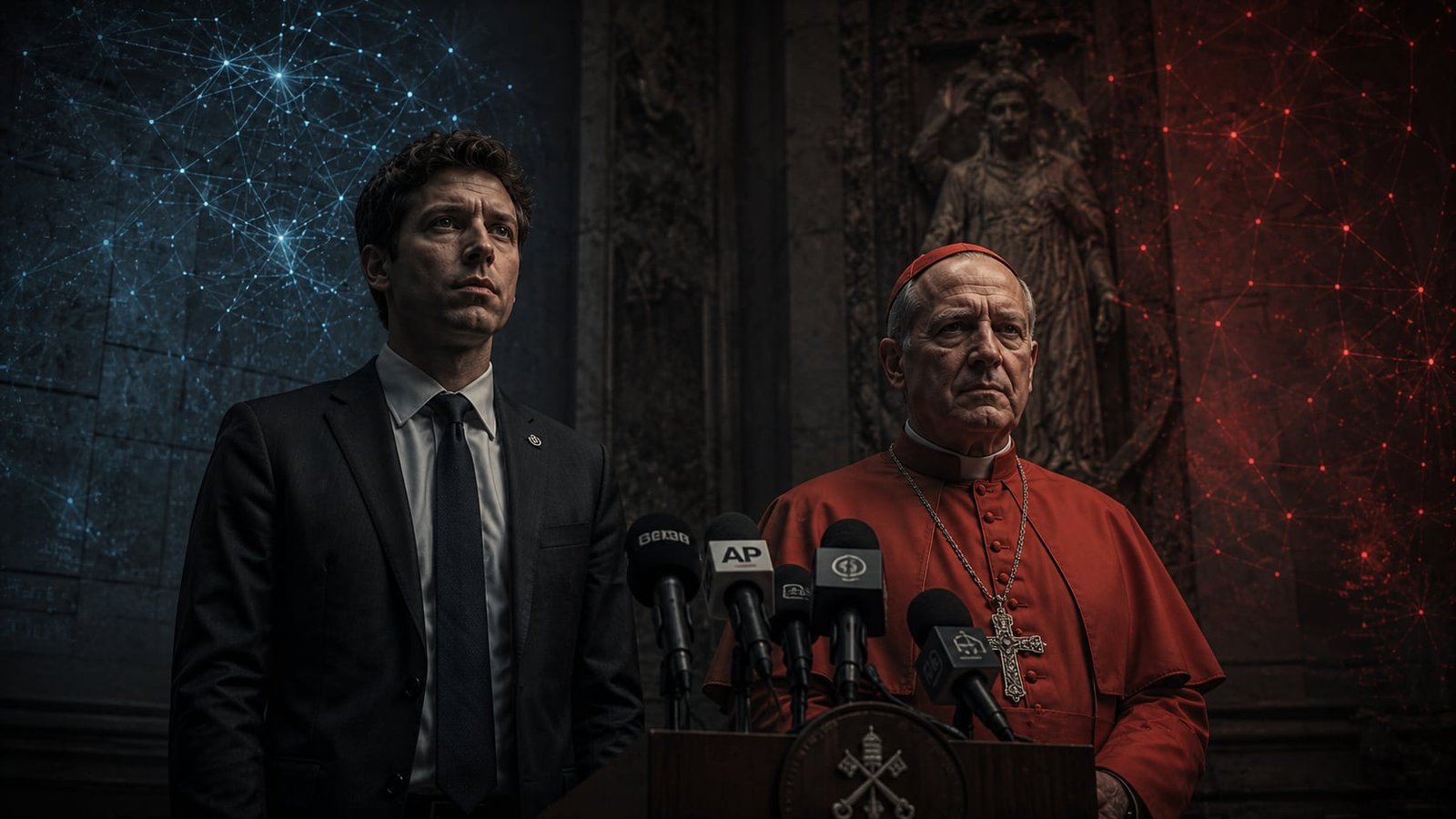

The Vatican as the Stage for the Civilizational Battle over AI
Christopher Olah’s presence at the launch of Pope Leo XIV’s encyclical Magnifica Humanitas is not symbolic diplomacy. It confirms that leading AI companies have decided not only to build the tools that will transform the global economy, but also to shape the ethical framework that will justify —or mitigate— their consequences.
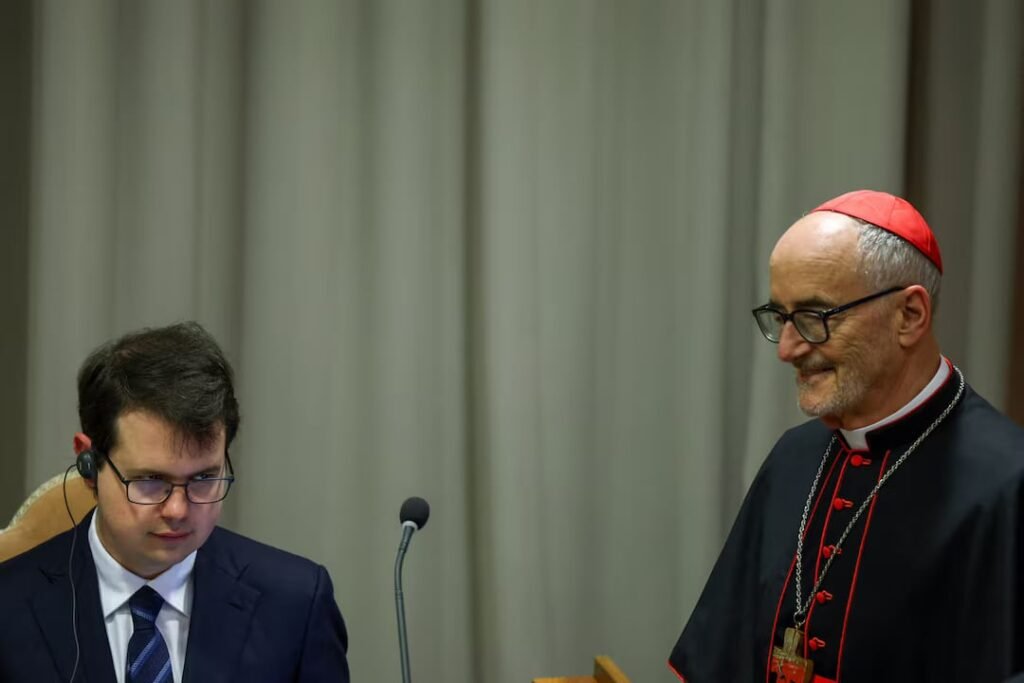
While OpenAI secures classified agreements with the U.S. Department of Defense, Anthropic —excluded from similar contracts for imposing stricter limits— positions one of its leaders at the heart of Catholic moral discourse. The scene is revealing: a company driving planetary-scale automation now advises the Vatican on “human dignity” in the age of AI.
Olah explicitly acknowledged the real possibility of large-scale labor displacement and the moral imperative to support those affected. The Pope stated clearly that profit cannot justify the systematic sacrifice of jobs, as the human person is an end, not a means.
These statements sound noble. Yet they clash with a stark reality. The same companies investing billions to accelerate models capable of replacing cognitive and manual tasks are now leading the debate on mitigating the damage they will cause. This is not preventive caution, but post-facto narrative management.
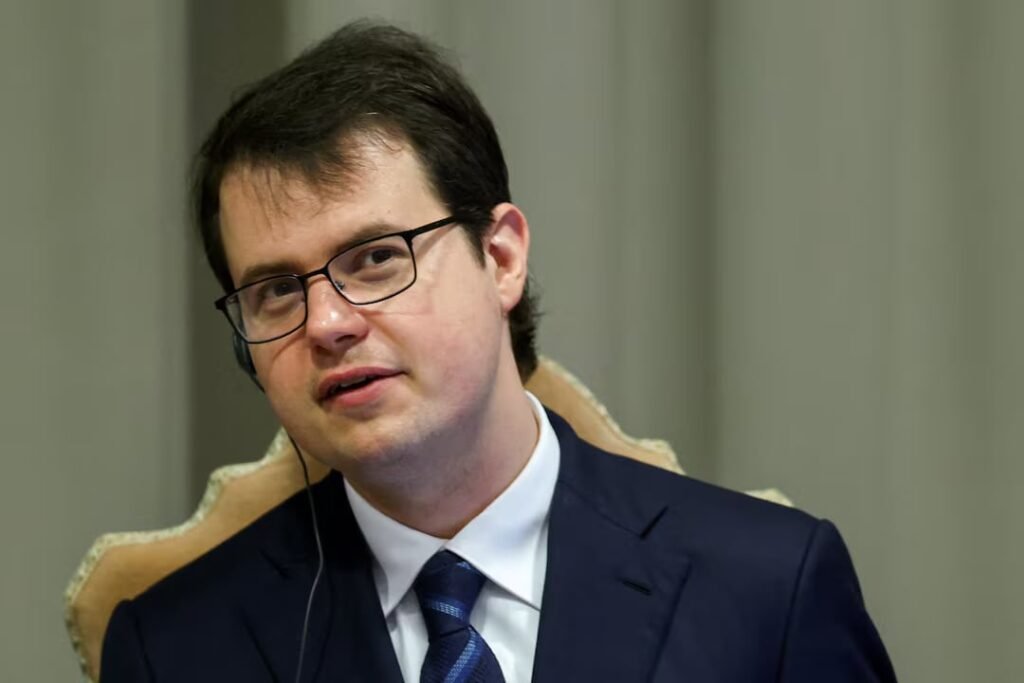
The contradiction is clear. Anthropic, which resisted Pentagon demands on mass surveillance and autonomous weapons, finds in the Vatican a platform to legitimize its “responsible” vision. Meanwhile, OpenAI advances with more negotiated and flexible red lines in classified environments. Both strategies serve the same strategic goal: maintaining narrative control over the most disruptive technology in history.
When the Vatican intervenes before mass labor collapse, it implicitly recognizes that the issue has ceased to be technical and has become civilizational. AI is no longer merely a productivity tool. It is the mechanism reorganizing social, economic, and political structures in the 21st century.
The real question is not whether AI will displace jobs —that trajectory is set. The uncomfortable question is who will define what it means to be human in an economy where traditional work becomes scarce. Will it be San Francisco laboratories driven by venture capital incentives, or traditional moral institutions now directly engaging with those same laboratories?
Anthropic’s involvement reveals an uncomfortable truth: Big Tech is competing not only for technical and military supremacy, but also for the monopoly on moral legitimacy. Whoever controls the ethical narrative will control regulation, social acceptance, and ultimately the distribution of power in the post-work era.
Fuentes
- OpenAI. (2026). Our agreement with the Department of War. https://openai.com/index/our-agreement-with-the-department-of-war/
- Reuters. (2026). Anthropic’s Olah says AI must be guided outside Big Tech. https://www.reuters.com/world/europe/anthropics-olah-says-ai-must-be-guided-outside-big-tech-2026-05-25/
- National Catholic Reporter. (2026). Why is AI company Anthropic helping launch Pope Leo XIV’s encyclical? https://www.ncronline.org/news/why-ai-company-anthropic-helping-launch-pope-leo-xivs-encyclical
- Forbes / AP News. (2026). Reportajes sobre la presentación de la encíclica Magnifica Humanitas.